Ham Radio Operators Raise Concerns Over AST SpaceMobile Use of 430 MHz Amateur Spectrum
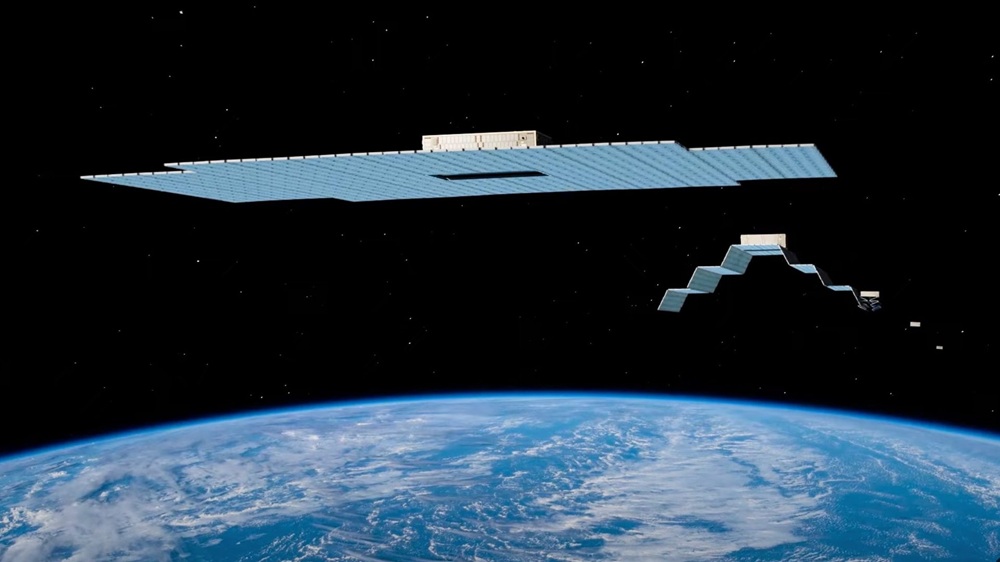
Amateur radio groups are watching closely after the Federal Communications Commission approved limited use of 430–440 MHz spectrum by AST SpaceMobile, a satellite-to-cellular company sometimes described as a Starlink rival in the growing direct-to-device space communications market.
The issue involves AST SpaceMobile’s planned low-earth-orbit satellite constellation. The company is building a space-based mobile broadband network intended to connect ordinary cellular phones in areas with limited or no terrestrial coverage. As part of the satellite system, AST has sought permission to use several frequencies in the 430–440 MHz range for telemetry, tracking, and command, often abbreviated TT&C.
That range is important to amateur radio. It falls within the 70-centimeter amateur band and supports a variety of ham radio activities, including satellite communications, weak-signal work, digital modes, data, experimentation, and, in some places, repeater-related activity.
What the FCC approved
The FCC’s recent action does not give AST SpaceMobile blanket permission to use the 70-centimeter band for routine commercial phone traffic. The authorization is much narrower.
The approved use is for emergency TT&C operations, not normal customer communications. The FCC limited the use to specific center frequencies in the 430–440 MHz range, each with a bandwidth of no more than 50 kHz. The listed channels include 430.5, 432.3, 434.1, 435.9, and 439.5 MHz.
The authorization also restricts the circumstances under which the frequencies may be used. According to the FCC and ARRL summaries, the 430–440 MHz channels are to be used only in emergency situations when other spectrum is not available, and emergency use is limited in duration.
That distinction matters. This is not the same as turning the amateur band into a routine satellite-cellphone downlink. Still, many amateur radio organizations are not comfortable with a commercial satellite constellation having access to amateur spectrum at all, even on a limited or emergency basis.
Why amateur radio groups are concerned
The concern is not only about one signal on one day. It is about interference risk, regulatory precedent, and the long-term protection of amateur spectrum.
The International Amateur Radio Union has expressed concern that the 430–440 MHz band supports many amateur and amateur-satellite uses, and that there has not been a comprehensive technical sharing study demonstrating how AST’s transmissions would affect those operations. IARU has also questioned the use of a regulatory mechanism that permits non-standard frequency use, provided harmful interference is avoided.
For hams, the concern is understandable. Amateur radio spectrum is always vulnerable when commercial systems seek access, especially when the applicant is a large company building a major satellite network. Even limited use can create concern that future requests may expand the scope, normalize commercial use of amateur allocations, or make it harder to defend the band in future proceedings.
There is also a practical concern. A low Earth orbit satellite is not a local transmitter. It can be heard over very large areas. Even a short-duration signal could affect satellite operators, weak-signal users, or specialized monitoring work if it appears on or near a frequency being used for amateur communications.
Is this a real problem for local hams?
For the average Southern California ham using 440 MHz FM repeaters, this is probably not an immediate day-to-day problem. Local repeater users are unlikely to suddenly hear AST SpaceMobile traffic taking over their favorite repeater.
The greater concern is for amateur satellite users, weak-signal operators, experimenters, and those who monitor or operate in the 430–440 MHz portion of the band. These are the users most likely to notice satellite telemetry or interference if the system operates in a way that affects amateur activity.
So the answer is: yes, this is a real spectrum issue, but it should be understood accurately. It is not currently a routine commercial takeover of the 70-centimeter band. It is a limited emergency authorization that amateur groups believe still creates technical and regulatory concerns.
Why scanner listeners should care
Although this is primarily an amateur radio issue, it is also relevant to the wider radio-monitoring community. The story is another example of how crowded the radio spectrum has become and how satellite systems, cellular networks, public safety communications, military users, aviation, commercial data systems, and hobby radio all compete for clean spectrum.
For scanner listeners and radio hobbyists, the lesson is simple: spectrum allocations are not static. Bands that seem protected today can become the subject of waiver requests, sharing proposals, or commercial pressure tomorrow.
The 430–440 MHz issue also highlights the value of having organized amateur radio groups such as ARRL, IARU, AMSAT, and national societies participate in regulatory proceedings. Individual operators may never file comments with the FCC, but organized responses from the amateur community can influence how authorizations are limited, conditioned, or denied.
What hams can do
Amateur operators who use the 70-centimeter band should stay informed through ARRL, IARU, AMSAT, and FCC filings. Operators who believe they are experiencing harmful interference should document it carefully, including the date, time, frequency, mode, location, signal characteristics, and, if possible, recordings.
Interference reports are most useful when they are specific and technical. General concern is important in a regulatory proceeding, but documented interference is what helps regulators and spectrum organizations respond effectively.
For now, this appears to be a watch-list issue rather than an emergency for most local ham operators. But it is still worth paying attention to because it touches on one of the most important long-term questions in radio: how the amateur spectrum will be protected as commercial satellite networks continue to grow.