U.S. Air Force Plans to Buy Thousands of New Survival Radios for Downed Aircrew
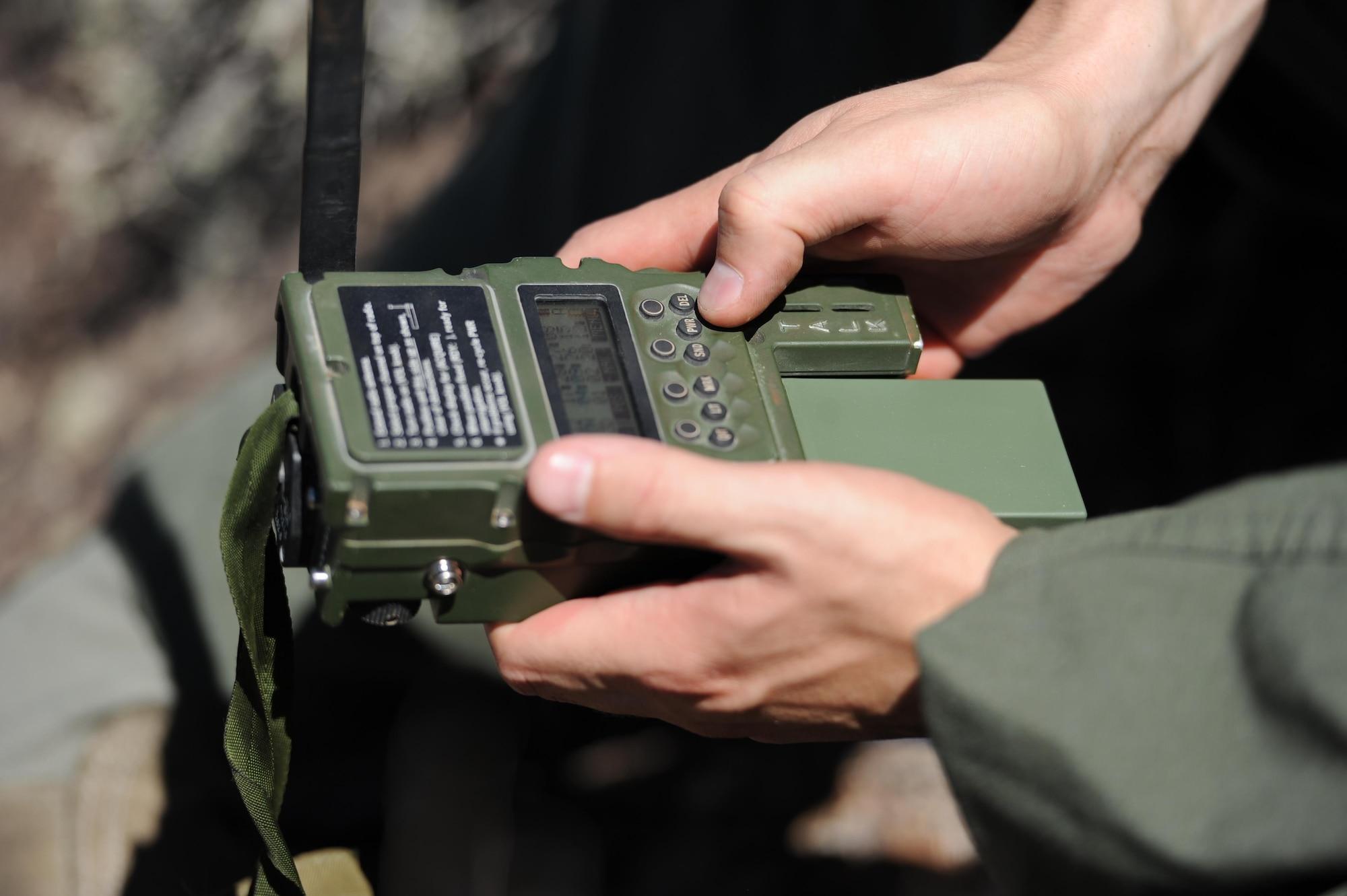
The U.S. Air Force is preparing to buy thousands of new handheld survival radios designed to help locate and recover downed pilots and aircrew in hostile or remote areas.
The new radio is the Next Generation Survival Radio, or NGSR. It is intended to replace the older Combat Survivor Evader Locator radio, commonly known as CSEL, which has been used by U.S. military aircrew for years as part of the combat search-and-rescue system.
For military aviation monitors and scanner listeners, the purchase is a reminder that radio communication remains central to personnel recovery, even in an era of satellites, GPS, encrypted data links, drones, and networked aircraft. When an aircrew member is down, injured, isolated, or evading capture, a small handheld radio may still be one of the most important pieces of survival equipment they carry.
What the Air Force Is Buying
According to Air & Space Forces Magazine, the Air Force is requesting $96 million for the NGSR program in Fiscal Year 2027. About $80 million of that amount would be used to buy 6,868 radios, along with spares and associated support equipment.
Although the Air Force is leading the program, the radios are expected to support aviators across the joint force, including the Army, Navy, and Marine Corps.
General Dynamics Mission Systems is building the radio. In May 2026, the company announced that it had received a $19 million Air Force contract modification to complete qualification and pre-production readiness work. That effort includes Department of War certification activity and delivery of approximately 300 pre-production radios for operational training and evaluation.
Replacing the CSEL Radio
The current Combat Survivor Evader Locator radio is more than a simple emergency beacon. It is a secure survival communications device designed to help a downed pilot or crew member send location information and communicate with rescue forces.
CSEL has been an important part of U.S. combat search-and-rescue operations, but the system is aging. The NGSR is intended to modernize that capability with a smaller, lighter, software-defined radio capable of supporting updated waveforms, encryption, and future software improvements.
General Dynamics says the NGSR is 44 percent smaller and 35 percent lighter than legacy CSEL radios. The company also describes the new unit as having a simplified user interface, a large color screen, a single-button emergency function, and a rear-mounted battery capable of more than four days of operation.
What Makes the NGSR Different
The NGSR is designed as a modern software-defined survival radio. In practical terms, that means the radio can be updated over time to support new waveforms, cryptographic upgrades, and software improvements, rather than being locked into a single fixed design.
Reported capabilities include secure over-the-horizon two-way data communications, precise geolocation information, modern encryption, voice and text messaging, and integration with satellite constellations, ground stations, and personnel recovery command systems.
The goal is straightforward: give a downed aircrew member a compact, secure way to tell rescue forces that they are alive, where they are, and that they need recovery.
That sounds simple, but in a combat environment, it is not. A survival radio must be small enough to carry, rugged enough to withstand an ejection or crash, secure enough to avoid giving away the user’s location to hostile forces, and reliable enough to work when the user may be hurt, exhausted, isolated, or under extreme stress.
Why This Matters to Radio Monitors
Most scanner listeners will never hear NGSR traffic directly. That is by design.
Modern military survival radios use secure communications, specialized waveforms, satellite links, and low-probability-of-detection techniques. Their most important features are built to prevent detection, interception, or exploitation by hostile forces. A standard scanner should not be expected to receive this traffic.
But that does not make the story irrelevant to the monitoring community. In fact, it helps explain how military recovery missions are built around layers of communication. The survival radio may be protected, but the larger mission can still produce monitorable activity around the edges.
During training exercises or real-world aviation emergencies, listeners may hear related activity on military air traffic control frequencies, air-to-air channels, aerial refueling tracks, range control frequencies, search-and-rescue aircraft channels, civilian ATC sectors handling military aircraft, or local public safety aviation channels.
For Southern California listeners, that is especially relevant. The region sits near major military aviation activity, including Edwards Air Force Base, March Air Reserve Base, Naval Air Weapons Station China Lake, MCAS Miramar, NAS Point Mugu, and the large desert training areas used by military aircraft throughout the Southwest.
Listening Around the Mission
MilAir monitoring often means following the parts of a mission that remain in the clear.
That may include aircraft checking in with air traffic control, tankers working refueling tracks, rescue aircraft coordinating with range control, helicopters moving through local airspace, or public safety agencies responding to an aircraft emergency.
The most sensitive communications may be encrypted or otherwise protected, but careful listeners can still build a useful picture by monitoring surrounding activity. That is one of the skills that makes military aviation monitoring different from simply scanning a list of frequencies.
The NGSR itself may not be monitorable, but its fielding is another example of how radio systems continue to evolve inside military aviation. The equipment is smaller, more secure, more networked, and more software-driven than earlier generations, but the basic purpose remains familiar to anyone who understands radio: establish communication when it matters most.
Bottom Line
The Air Force’s planned purchase of nearly 7,000 Next Generation Survival Radios marks an important step in modernizing personnel recovery communications for U.S. military aircrew.
For scanner listeners and MilAir monitors, the story is not about hearing these radios directly. It is about understanding how critical radio communication remains in military aviation, emergency response, and combat search-and-rescue operations.
Even as more systems move behind encryption, satellites, and specialized waveforms, radio remains at the center of the mission. Whether it is a secure survival radio carried by a downed pilot or a scanner monitoring the airspace around a training range, the ability to communicate still matters when lives are on the line.
Sources: Air & Space Forces Magazine; General Dynamics Mission Systems. The key facts are the Air Force’s FY 2027 request for 6,868 radios and General Dynamics’ May 2026 contract modification for NGSR qualification and pre-production work.