Chinese AI Firm Claims It Tracked B-2 Bomber Signals — and the Technology Has Lessons for Today’s Radio Monitors
An unverified B-2 claim highlights a real shift in modern monitoring: radios, open-source data, and AI are now part of the same picture
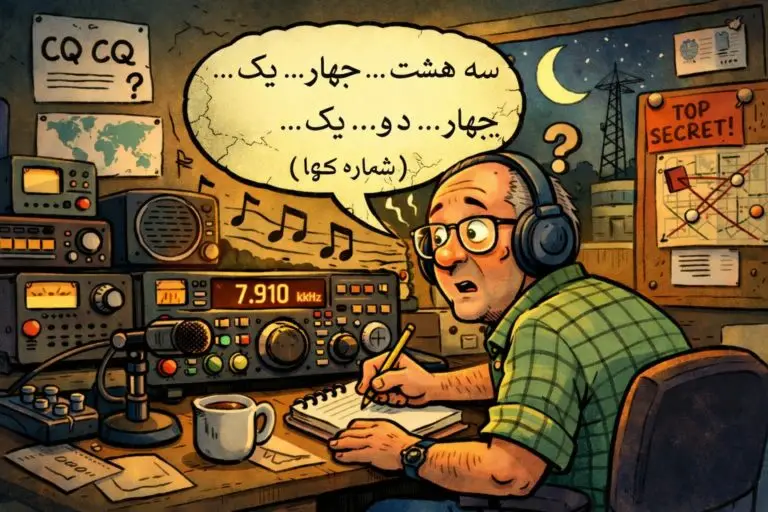
A Chinese defense-technology company says it used artificial intelligence to detect and analyze radio-signal activity associated with U.S. Air Force B-2 Spirit stealth bombers during recent American strikes on Iran.
The claim has not been independently verified. Still, the report is worth paying attention to because it points toward a rapidly expanding area of modern intelligence work: combining radio-frequency monitoring, aircraft tracking, open-source data, and artificial intelligence to build a broader picture of military activity.
According to published reports, Hangzhou-based Jingan Technology said its AI-powered “Jingqi” war-monitoring system detected radio emissions connected to the U.S. operation and used those signals, along with other information, to help reconstruct portions of the mission.
That should be treated cautiously. There has been no public confirmation that the system directly intercepted B-2 communications as described by the company.
But whether this specific claim proves accurate or not, the larger trend is real. Governments, defense contractors, researchers, journalists, aviation enthusiasts, and technically skilled hobbyists are increasingly using software-defined radios, aircraft-tracking networks, public data sources, and AI-assisted analysis to identify patterns that once required large professional intelligence organizations.
For the SCMA audience, this story is not only about China, Iran, or the B-2. It is about where radio monitoring is headed.
Stealth Aircraft May Be Hard to See, But Operations Still Leave Clues
The B-2 Spirit is designed to reduce radar detection and penetrate defended airspace. That does not mean every part of a long-range bomber operation is invisible.
A mission of that type may involve tankers, command-and-control aircraft, support aircraft, airbase activity, satellite communications, military air traffic control, weather planning, maritime positioning, public notices, diplomatic activity, and other indicators. Some of those clues may be radio related. Others may come from open public sources.
A monitor may never hear the bomber itself. But related activity can still be significant.
That might include unusual tanker tracks, increased military air traffic, repeated use of certain airspace, aircraft departing from unexpected locations, support aircraft appearing on tracking sites, temporary flight restrictions, military NOTAMs, unusual HF or UHF activity, or reports from monitors in other regions.
One signal usually does not tell the whole story. A pattern of signals can tell much more.
How AI Changes the Monitoring Picture
Traditional monitoring depends on human skill. A good monitor listens carefully, identifies call signs, recognizes procedures, compares current activity against past experience, and keeps accurate logs.
AI does not replace that skill. Used properly, it can amplify it.
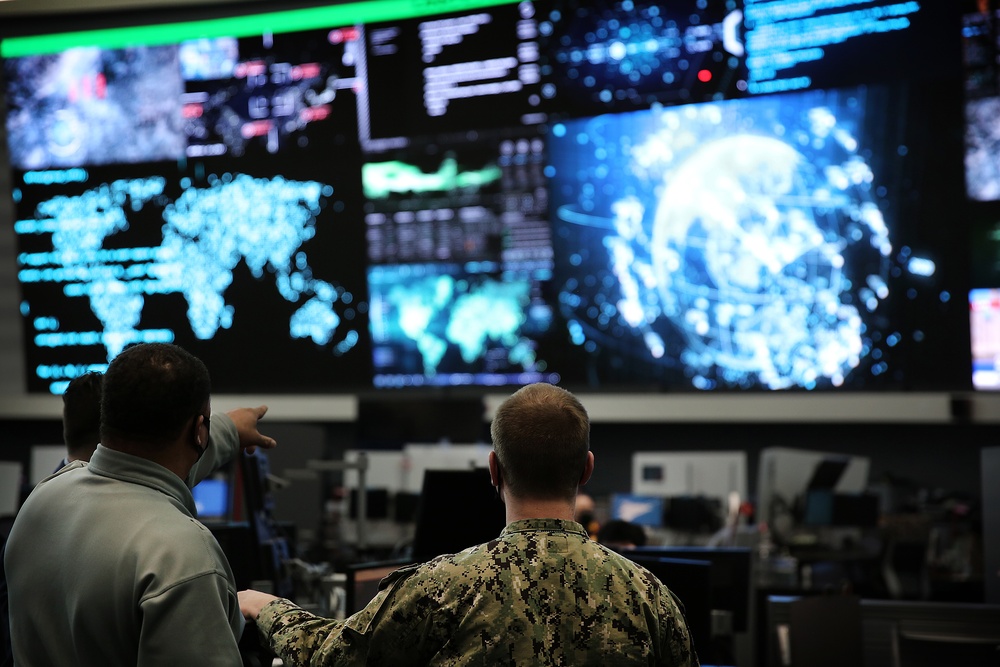
Artificial intelligence can process large amounts of information faster than a person can do manually. It can search logs, identify repeated phrases, flag unusual aircraft movements, compare current activity against previous patterns, and summarize large volumes of data.
In a military or intelligence environment, this may involve classified information and large sensor networks. At the civilian and hobbyist level, the basic idea is much simpler: collect legal public information, organize it, compare it, and look for patterns.
That is already within reach of advanced radio monitors.
The Civilian Version: SDR, ADS-B, FlightAware, and Open-Source Monitoring
A serious hobbyist does not need a government-grade intelligence system to start using some of the same basic concepts.
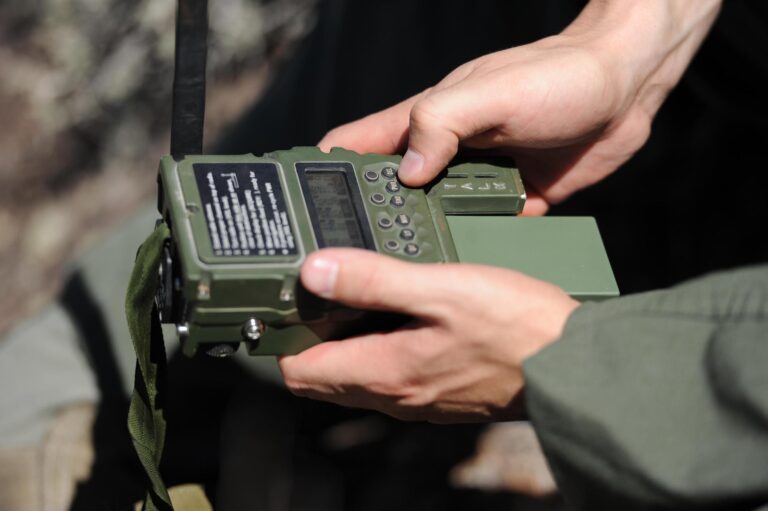
Software-defined radios have dramatically changed the hobby. An inexpensive SDR receiver connected to a computer can monitor broad portions of spectrum, decode some data signals, record activity, and feed information into mapping or logging software.
SDRs can be used for VHF airband monitoring, UHF military airband searching, ADS-B reception, weather satellite decoding, maritime AIS reception, and many other legal receive-only applications.
ADS-B is one of the clearest examples. Aircraft equipped with ADS-B transmit position, altitude, speed, and identity information. Hobbyists can receive those signals directly with an SDR and a 1090 MHz antenna. They can also view aircraft movement through online services such as FlightAware, ADS-B Exchange, Flightradar24, and similar platforms.
FlightAware and related services collect data from large networks of ground receivers and other aviation data sources. ADS-B Exchange has been especially popular among aviation monitors because of its community-fed receiver model and its emphasis on displaying aircraft data that may not appear on some other sites.
For SCMA members, the practical lesson is straightforward: radio monitoring is no longer limited to listening to voice traffic. Modern monitoring can include signals, maps, databases, logs, screenshots, online feeds, and automated alerts.
What a Modern Monitor Might Track
A technically inclined monitor can build a capable legal monitoring station using common tools.
A basic setup might include an SDR receiver, a dedicated ADS-B antenna, and software such as dump1090 or another ADS-B decoder. That system can display aircraft received directly from the user’s own antenna. Feeding that data to a public network can also improve regional aircraft coverage.
A second SDR could be used for VHF aviation, UHF military airband, marine AIS, railroad, amateur radio, local government, or utility monitoring, where signals are legally available. A traditional scanner can still handle voice channels while SDRs manage data, spectrum searching, or recording.
A more advanced monitor might combine several sources:
ADS-B aircraft tracking, VHF civil aviation monitoring, UHF military airband monitoring, HF military and aviation monitoring, ACARS or VDL data decoding where receivable, marine AIS tracking, satellite weather imagery, online flight-tracking services, LiveATC feeds where available, NOTAM and TFR monitoring, public aviation and defense news, aircraft spotter reports, personal logging software, and AI tools to summarize or compare logs.
The value comes from correlation.
If a tanker appears on ADS-B, a military aircraft checks in on UHF, a NOTAM closes a block of airspace, and other monitors report similar activity, the combined picture becomes more meaningful than any single source.
AI as a Monitoring Assistant
For hobbyists, AI is best viewed as an assistant, not a magic intelligence system.
A monitor can use AI to summarize long logs, identify repeated call signs, compare today’s activity with previous activity, organize notes into a readable timeline, or help build keyword searches for news and aviation alerts.
AI can also help clean up messy monitoring notes, convert raw logs into a structured report, or prepare a professional article for a club website.
A useful monitoring log might include:
Time, frequency, call sign, aircraft type if known, location or direction, associated ADS-B track, notes, and source of information.
Over time, that log becomes valuable. AI can help search it for repeated activity, unusual timing, recurring call signs, or changes in operating patterns.
That is not espionage. It is disciplined, legal, open-source monitoring.
What Regular Monitors Cannot Do
The limits are important.
Civilian monitors should not interfere with communications, attempt to bypass encryption, access restricted systems, transmit on unauthorized frequencies, or collect information in a way that violates the law.
Many military communications are encrypted, frequency-hopping, directional, satellite-based, or otherwise beyond the reach of ordinary monitoring.
It is also important to avoid overreading online aircraft tracks. Seeing a military aircraft on a tracking site does not mean the full mission is visible. Many aircraft do not transmit public ADS-B data during sensitive operations. Some tracks may be blocked, filtered, delayed, misidentified, or incomplete.
Online tracking sites are useful tools. They are not perfect.
The best monitors understand uncertainty. They separate confirmed information from speculation. They document sources. They use words such as “possibly,” “likely,” “reported,” or “unconfirmed” when the evidence does not support a firm conclusion.
That is the right way to approach the Chinese company’s B-2 claim as well.
The Real Lesson: The Spectrum Still Matters
The reported Chinese claim may or may not be fully accurate. It could involve direct signal interception, indirect inference, open-source data correlation, or some combination of those methods.
But the larger point is difficult to ignore: the radio spectrum still matters.
In some ways, it may matter more than ever because radio signals are now part of a much larger data environment. Aircraft tracking, SDR reception, spectrum monitoring, satellite imagery, public databases, online feeds, and AI analysis can all be combined to create a broader understanding of events.
Experienced monitors have known this for decades. The most useful information often comes from patterns, not from a single dramatic transmission.
AI gives that old monitoring principle new reach.
What This Means for SCMA Monitors
For the Southern California monitoring community, this story is another reminder that the hobby is evolving.
Public safety encryption has closed many traditional doors. But aviation, military air, marine, rail, utilities, amateur radio, satellites, space operations, and data signals remain active and technically interesting areas for serious monitoring.
The future of monitoring will likely involve both radios and computers. A well-equipped monitor may have scanners on the desk, SDRs feeding software, aircraft maps on one screen, logs on another, and AI helping organize the results.
That does not make the human operator less important. It makes the skilled operator more important.
AI can process data. It cannot replace judgment, experience, local knowledge, or radio sense. A seasoned monitor still knows when something sounds unusual, when a call sign matters, when a frequency becomes active at the wrong time, or when several unrelated clues may actually be connected.
The Chinese B-2 story is a military-intelligence headline. For SCMA, it is also a reminder that radio monitoring is not obsolete. It is becoming more technical, more data-driven, and more connected to the wider world of open-source intelligence.
The tools are changing. The basic discipline remains the same: listen, observe, log, compare, verify, and understand the pattern.
Sources and more information: FlightAware says ADS-B-equipped aircraft broadcast their position, and Mode-S aircraft can be tracked by multilateration when their signals are received by three or more receivers. FlightAware also describes its network as combining worldwide ADS-B/Mode-S receivers with other aviation data sources. Raspberry Pi’s flight-tracker guide confirms that a basic ADS-B station can be built with a Raspberry Pi and an RTL2832/R820T2-based SDR dongle, with compatible dongles priced around $20. ADS-B Exchange presents itself as a flight-tracking service focused on enthusiast aircraft tracking and live aircraft data.